

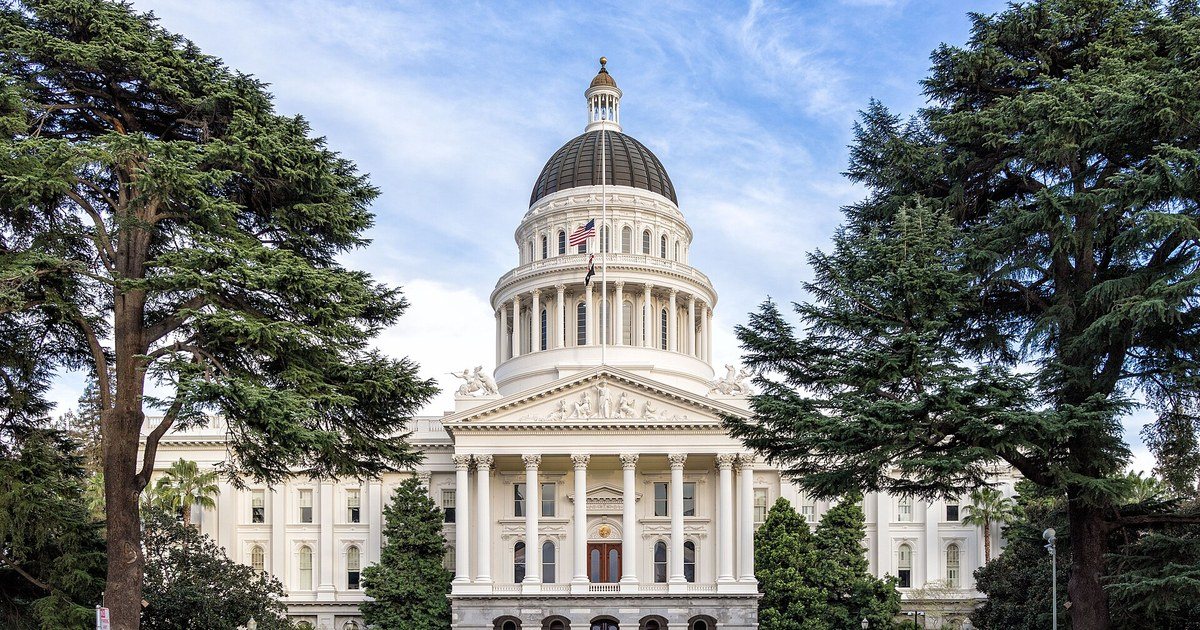
California voters have said no to Proposition 40, the one-time 5 percent tax on billionaires. The Associated Press called the race on Monday, November 9, six days after the November 3 election. In the latest count, the measure was losing 52.8 percent to 47.2 percent. About 5.9 million Californians voted no, according to the California Secretary of State.
It's a big result in a state that usually leans left on taxes. It also ends, for now, one of the most expensive ballot fights California has ever seen.
What Prop 40 would have done
The idea was simple on paper. Anyone with a net worth over $1 billion who lived in California on January 1, 2026, would have paid a one-time state tax of 5 percent of that wealth. The bill would have come due in 2027. People could have spread the payments over five years, but they'd have paid more to do that.
Some things were left out. According to the state's official voter guide, real estate, pensions and retirement accounts generally would not have been taxed. That means the tax would have fallen mostly on stock, business ownership and other financial assets.
The January 1 date mattered a lot. It meant a billionaire couldn't avoid the tax simply by moving out after the measure qualified for the ballot. Critics called that a retroactive tax. Supporters said it was the only way to stop people from leaving to dodge it.
The voter guide says only a few hundred people in California are worth more than $1 billion. Several outlets put the number at around 200.
Where the money would have gone
Ninety percent of the money would have gone to health care. The other 10 percent would have been split among education, food assistance and the cost of running the tax. The money would also have been kept outside the state's normal spending limit and school funding rules.
Supporters said the tax would raise about $100 billion. They said that's roughly what California stands to lose in federal health care money over the next five years because of federal Medicaid cuts.
The state's nonpartisan Legislative Analyst's Office was more careful. It said the state would probably collect "tens of billions of dollars," spread over several years, and that the exact amount was hard to predict. It also warned that income tax revenue could drop by up to $1 billion a year if some billionaires left the state or cut their taxable income. That matters because California leans heavily on its richest residents for income tax.
Who backed it
The measure was written and paid for mainly by SEIU United Healthcare Workers West, a large health care workers' union led by Dave Regan. The California Democratic Party and the state's main labor federation also supported it. Sen. Bernie Sanders of Vermont held rallies for it in California in the closing weeks.
The Yes side raised about $33.5 million, according to CalMatters.
Who fought it
The opposition was unusually broad. Gov. Gavin Newsom, a Democrat, came out against it. In a post in June he wrote that it "dedicates almost all of the revenue it raises to a single category of state spending," leaving nothing for things like housing, child care, public safety or the state's universities. Newsom says he still supports a national wealth tax on fortunes over $100 million, but not a state-only one.
Groups that normally sit on the left also opposed it, including the California Teachers Association, Planned Parenthood of California, the California Medical Association and the California Professional Firefighters. A coalition of opponents called it "a reckless experiment conducted on our state's economy." Their main worry was that a one-time tax wouldn't fix the state's long-term budget problems, and that it would push wealthy people, and the income taxes they pay every year, out of California.
And the money on the No side was huge. CalMatters counts $378.4 million from very wealthy opponents, more than ten times what the Yes side raised. Google co-founder Sergey Brin alone gave $102 million to a committee he set up, Building a Better California. Brin has publicly moved out of the state. Meta CEO Mark Zuckerberg, on the other hand, publicly pledged not to leave.
The two other measures
Opponents also put two rival measures on the same ballot. Proposition 41 would have stopped the state from collecting taxes that get around California's 1979 spending limit and would have required audits of future tax proposals. It was losing in early counts. Proposition 42 bans wealth taxes on things like financial assets, private businesses and pensions, and bans retroactive taxes. It was leading 51.6 percent to 48.4 percent on Monday evening, according to CalMatters. The counting isn't finished.
How people voted
The AP's voter survey shows a clear age gap. A majority of voters under 30 voted yes. About 7 in 10 voters aged 65 and older voted no. About half of voters in households earning under $100,000 supported it, while close to 6 in 10 in households earning more than that voted against it.
What both sides say now
"It was a lose-lose for California, and voters clearly agreed," said Abby Lunardini, who worked against the measure.
The union isn't giving up. It says it will try again in 2028 if the Legislature "fails to deliver a real solution" for the health care cuts. "That's not a hypothetical. That's our plan," Regan said. He also criticized the spending on the other side, calling it "incredibly corrosive and corrupting to our democracy."
What it means
The plain takeaway: even in California, voters weren't ready to tax wealth itself, as opposed to income. Europe has tried this. According to the OECD, 12 of its member countries had a yearly wealth tax in 1990, but only four still did by 2017. Many dropped it because rich people moved and the money came in below forecasts. That was the core of the No campaign here, and it seems to have worked.
The health care money problem doesn't go away, though. California still faces federal Medicaid cuts, and both sides admit the state is under real pressure to cover them. Now that's back in the hands of Sacramento lawmakers, who will have to do it inside a normal budget, with normal trade-offs. Whether that means cuts, other taxes or a new ballot fight in 2028 is the next thing to watch.
For anyone outside California, the result is worth noting too. Wealth tax ideas come up often in national politics. A no vote in the country's largest state, and one of its most Democratic will likely make it harder to sell the idea elsewhere, at least for a while.
We may earn a commission from Amazon links on this page, at no extra cost to you. As an Amazon Associate, Common Sense Desk earns from qualifying purchases.
Sources
- CalMatters: California voters reject Prop. 40 billionaire tax calmatters.org
- CalMatters: Props 40, 41 and 42 results calmatters.org
- California Secretary of State: Official voter guide, Prop 40 analysis voterguide.sos.ca.gov
- Fox Business: California voters reject Proposition 40 foxbusiness.com
- KCRA: Election results for California Prop. 40 kcra.com
- OECD: The Role and Design of Net Wealth Taxes in the OECD (2018) oecd.org