

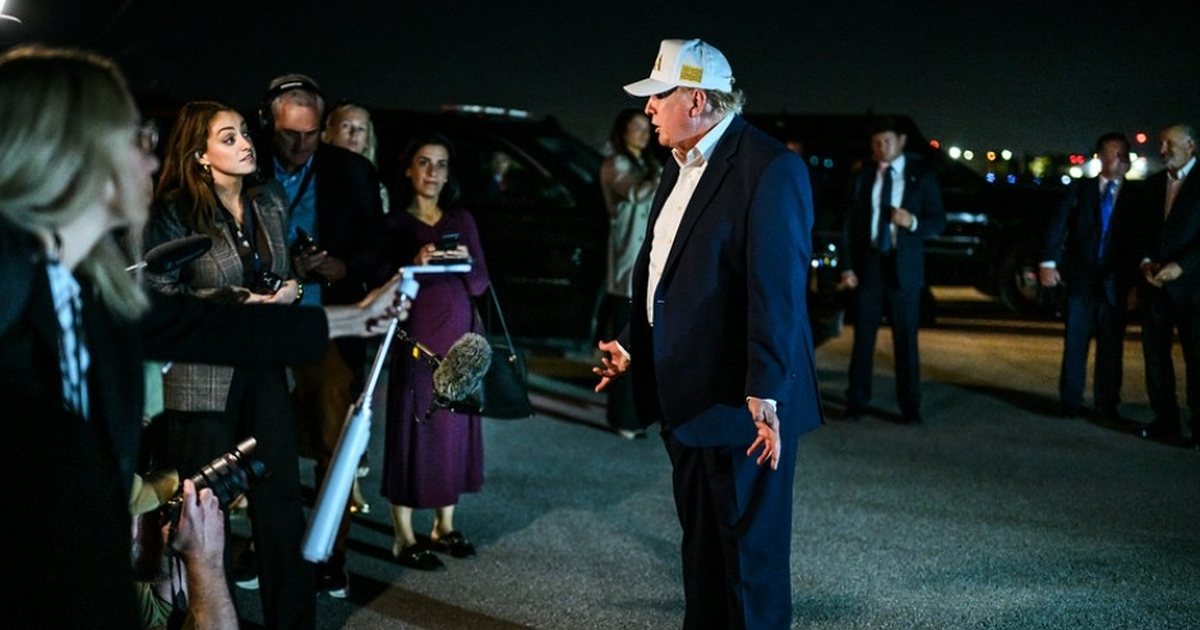
President Donald Trump met Qatar's prime minister, Sheikh Mohammed bin Abdulrahman Al Thani, at the White House on Monday, November 9, as Qatar works as a go-between in talks to end the U.S. conflict with Iran. No agreement was announced, and the two sides still disagree on the basics.
What happened
Qatar's prime minister brought an Iranian proposal to Washington. According to reports citing unnamed officials, the plan would work in two steps: first, the United States would ease its naval blockade of Iran and release some frozen Iranian money, while Iran would let international nuclear inspectors visit bombed sites; second, Iran would reopen the Strait of Hormuz to shipping. Several reports put the frozen money at about $8 billion held in Qatar. Neither government has confirmed those terms.
The White House did not release a public summary of the meeting.
What each side is saying
President Trump said new U.S. strikes on Iran are "highly unlikely" as long as talks keep making progress. After the meeting, he said the war "militarily is effectively over."
Secretary of State Marco Rubio was more cautious. He called Iran's demands "simply not just unacceptable, but in some cases outrageous and ridiculous and really not realistic," and said that so far the talks have not been very productive.
Iran says the United States must first end sanctions, lift the naval blockade and stop military action before formal negotiations can start. Tehran says its two-step proposal is still on the table.
How we got here
The conflict began on February 28, 2026, when the United States and Israel launched air strikes on Iran. Iran then moved to close the Strait of Hormuz, the narrow sea passage that normally carries about a fifth of the world's oil. A ceasefire in April did not hold, and the United States has kept a naval blockade on Iran in place since July. U.S. strikes have continued on and off since then.
Why it matters
The Strait of Hormuz is one of the most important shipping lanes on the planet. As long as it stays disrupted, oil and fuel prices stay higher and more unpredictable around the world, including at gas stations in the United States and Canada. Markets reacted quickly to the talk of a deal: oil prices fell sharply on Monday.
What to watch next
- Whether Washington accepts any part of the two-step plan, or answers with its own terms.
- Whether ships begin moving through the Strait of Hormuz again.
- Whether the pause in U.S. strikes holds while talks continue.
As an Amazon Associate, Common Sense Desk earns from qualifying purchases. Book links do not affect what we write.
Sources
- Fox News: Trump meets Qatar's PM as Rubio warns Iran talks not close to deal foxnews.com
- Daily Caller: Rubio rips Iran's 'outrageous' demands to reopen Strait of Hormuz dailycaller.com
- Axios: Trump to meet Qatari prime minister about mediation efforts with Iran axios.com
- Congressional Research Service: The Strait of Hormuz congress.gov