

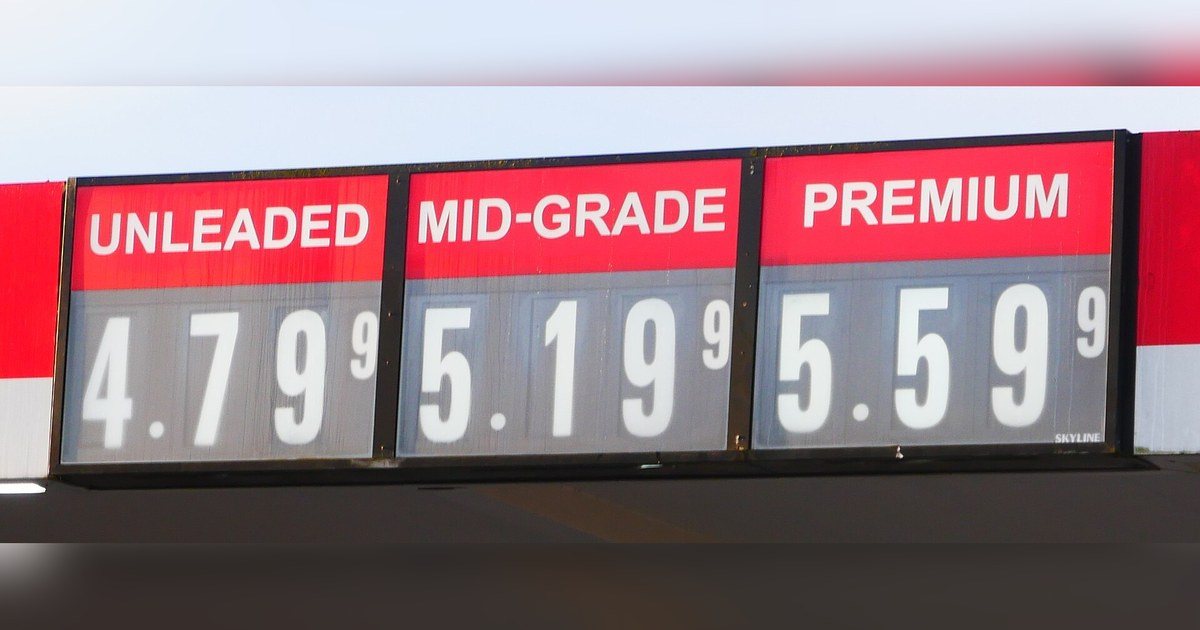
Finally, some relief at the pump. The national average for a gallon of regular gas fell to $3.98 on Tuesday, November 10, according to AAA. That's the first time it has been under $4 since July. AAA's exact figure was $3.9788, down about 3 cents from Monday.
But don't get too excited yet. Gas is still about 91 cents a gallon more than it was a year ago, when the national average was $3.07.
The numbers
- Today: $3.98 a gallon (AAA national average, regular).
- A week ago: $4.15.
- A month ago: $4.37.
- A year ago: $3.07.
- This year's high: $4.49 on September 24, according to GasBuddy.
- Diesel: about $6.16 a gallon, compared with about $3.74 a year ago.
So in one month, the average driver is paying almost 40 cents a gallon less. For someone filling a 15-gallon tank once a week, that's close to $6 back in their pocket every fill-up compared with early October. It adds up.
The last time the national average was under $4 was July 20, according to NBC News.
Why prices are falling
1. Oil is cheaper. This is the big one. Crude oil is the main ingredient in gasoline, and it has dropped hard in the past two weeks. Brent crude, the world benchmark, fell below $90 a barrel on Tuesday for the first time since August. It was above $117 in late October. We covered that drop here: Oil falls below $90 for the first time since August.
The reason is mostly hope for a deal with Iran. President Trump said this week that the war could end "fairly soon" and that talks showed "positive momentum." Oil futures fell 13 percent last week. For Brent, that was the biggest one-week drop since April 2020. Oil fell about another 5 percent on Monday. More on that in our earlier story: Oil drops on hopes of a U.S.-Iran deal: what it means at the pump.
2. Winter gas is cheaper to make. Every fall, stations switch from summer-blend gasoline to winter blend. The summer version has to meet tighter rules to cut smog in hot weather, which makes it more expensive to refine. Winter blend is cheaper, so prices usually ease this time of year.
3. People drive less. Demand for gas drops after summer. Fewer road trips, kids back in school, shorter days. Less demand usually means lower prices.
Why it's still so much higher than last year
The short answer is the war with Iran, which began on February 28. Fighting and attacks on ships around the Strait of Hormuz, where a big share of the world's oil normally passes, have kept oil supplies tight for most of the year. Attacks on refineries and energy sites in the Middle East and in the Russia-Ukraine war have added more pressure. NBC News reports gas is still up more than 30 percent since the war began, and about 40 percent since the start of the year.
Diesel has been hit even harder. It's up more than 70 percent this year, according to NBC News. That matters even if you don't drive a diesel truck, because diesel moves almost everything you buy: groceries, building materials, packages. High diesel costs end up in store prices.
The White House has defended the cost. President Trump has called higher fuel prices "a small price to pay for preventing Iran from obtaining a nuclear weapon."
Prices vary a lot by place
The national average hides big differences. According to OilPrice.com, some stations in Indiana, Ohio, Georgia, North Carolina, Texas, Oklahoma and Louisiana are already selling gas for under $3 a gallon. On the other side, states like California, which have extra taxes and their own special fuel rules, stay well above the national average.
Will it keep dropping?
Patrick De Haan, head of petroleum analysis at GasBuddy, thinks so, at least for now. He expects the national average could fall to about $3.70 a gallon by Thanksgiving, and said prices "may sink beyond that if the geopolitical situation remains in balance."
That's a big "if." Some analysts warn that oil's drop may have gone too far, too fast. The bank ING said the speed of the sell-off "seems to be overdone." There's no signed deal with Iran yet, and Iran's top security official has rejected Trump's claims of progress. Ships are still being hit near the Strait of Hormuz. Any bad news there could send oil, and gas, back up quickly.
There's another reason oil might not fall much further. Strategic oil reserves, the emergency supplies governments keep on hand, are at their lowest level since 1982, according to NBC News. Refilling them would mean buying a lot of oil, which supports prices.
What it means for you
For most families, cheaper gas is the most direct relief they'll feel from lower oil prices. It also helps truckers, farmers and airlines, and it takes some pressure off inflation. October's inflation report showed prices still rising faster than expected, so a few weeks of cheaper gas would be welcome news for the Federal Reserve too.
Our advice is the common-sense kind: if you see a good price, fill up, but don't bet on prices falling forever. With the Iran talks still uncertain, this relief could be short-lived. A gas price app can also help you find the cheapest station near you, because prices can differ quite a bit even between stations close to each other.
Sources
- AAA Gas Prices: national average gasprices.aaa.com
- NBC News: Gas prices fall below $4 per gallon for the first time since July nbcnews.com
- OilPrice.com: Average U.S. gasoline price dips below $4 for first time since July oilprice.com
- LiveNOW from FOX: Gas prices drop under $4 a gallon for the first time since July livenowfox.com